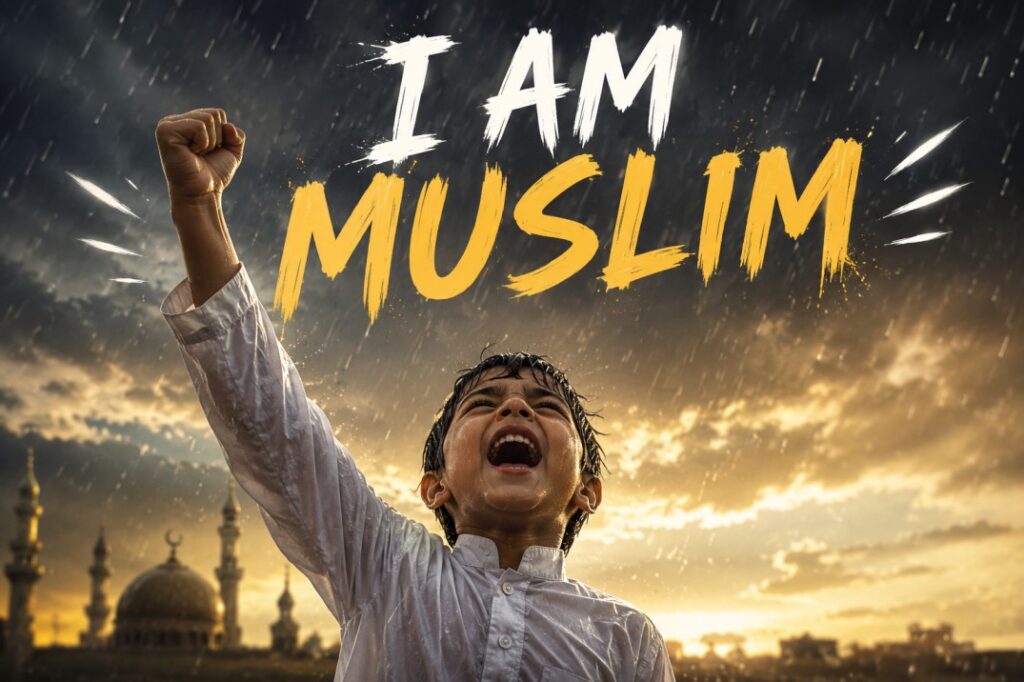
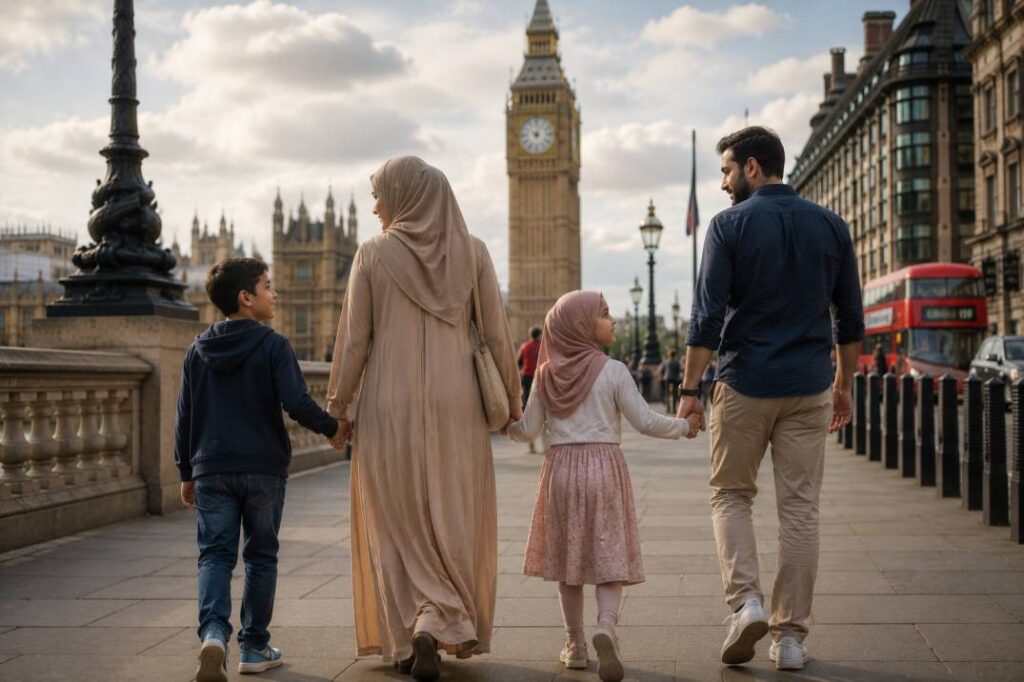
Why Muslim Children Lose Their Islamic Identity (And How Parents Can Prevent It)
Introduction
Imagine waking up one day to hear your teenager say, "I don't think Islam is really for me anymore." For many Muslim parents, this is their greatest fear.
The painful reality is that children rarely wake up one morning and suddenly abandon their faith. It usually happens slowly. A missed prayer becomes several. Islamic conversations disappear from the home. Being Muslim starts to feel embarrassing instead of empowering. Faith gradually shifts from being part of a child's identity to becoming merely something their parents practice.
By the time parents notice, the emotional distance may already be significant. The good news is that losing Islamic identity is not inevitable — and understanding why it happens is the first step toward preventing it.
In this article, we'll explore the psychological, social, and spiritual reasons Muslim children drift away from Islam — and what parents can do before it reaches that point.
Key Takeaways
- Islamic identity is about who a child is, not only what they practice — prayer and hijab are expressions of identity, not identity itself.
- Children lose their faith gradually, through the accumulation of six small influences, not a single event.
- Fear-driven parenting — lectures, guilt, and shouting — usually widens the distance instead of closing it.
- Faith is strengthened when home, mosque, teachers, and friends all reinforce the same message.
What Does "Islamic Identity" Actually Mean?

One of the biggest misconceptions is believing Islamic identity simply means praying regularly, wearing hijab, attending the mosque, or memorizing Qur'an. These practices are important — but they are expressions of identity, not identity itself.
A child with a strong Islamic identity doesn't merely know what Muslims do. They understand who they are, who their Creator is, why Islam gives life meaning, and why they choose to remain Muslim — even when nobody is watching.
Psychologists describe identity as the answer to one fundamental question: "Who am I?" For Muslims, that answer begins with being a servant of Allah — before being defined by nationality, ethnicity, career, or social status. When children internalize this understanding, Islam becomes more than a family tradition; it becomes part of who they are.
Why Muslim Children Lose Their Islamic Identity
Children rarely leave Islam because of one conversation. Identity usually erodes through the accumulation of many small influences over time.
1. Islam Becomes a List of Rules Instead of a Relationship With Allah
Perhaps the most common reason children disconnect from Islam is that they experience religion only through commands: Pray. Don't do this. Don't wear that. Don't listen to that. While boundaries are essential, rules without relationship often produce compliance rather than conviction.
The Qur'an introduces believers to Allah's mercy, wisdom, forgiveness, and love long before discussing many legal rulings. Parents who teach children who Allah is before focusing exclusively on what Allah commands help build a faith rooted in love instead of fear.
2. Children Copy What They See More Than What They Hear
Children are remarkable observers. If parents speak about honesty but frequently lie, children notice. If parents encourage prayer but consistently delay it, children notice. If Islam is discussed only after mistakes, children begin associating religion with criticism rather than guidance.
The Prophet ﷺ taught through character long before words. Parents remain the most influential examples their children will ever have.
3. The Desire to Belong Becomes Stronger Than the Desire to Believe
During adolescence, acceptance matters. Children naturally compare themselves with classmates. When being visibly Muslim feels socially costly, some begin hiding aspects of their faith. This doesn't necessarily mean they reject Islam — often, they simply fear rejection. Helping children build confidence before these situations arise is one of the greatest gifts parents can give them.
4. Social Media Becomes Their Primary Teacher
Today's children spend thousands of hours consuming digital content. Every video teaches something. Every influencer promotes values. Every algorithm shapes preferences. If parents and trusted teachers aren't actively helping children interpret what they see, social media will gradually shape their worldview.
The question is no longer whether children are learning — it's who they're learning from.
5. Difficult Questions Go Unanswered
Children ask questions because they want understanding. When questions are dismissed with "Don't ask" or "You just have to believe," they often search elsewhere — and the internet is always willing to answer. Creating a home where honest questions are welcomed helps children associate Islam with confidence rather than fear.
6. Faith Isn't Reinforced Outside the Home
Children thrive when multiple environments reinforce the same values: home, mosque, Islamic teachers, righteous friends, and positive mentors. When faith exists only inside the home while every other influence points elsewhere, maintaining Islamic identity becomes much harder.
Early Warning Signs Parents Should Never Ignore
Losing Islamic identity rarely happens overnight. Parents often notice subtle changes first. These may include:
- Becoming embarrassed to mention being Muslim.
- Losing interest in Salah.
- Avoiding the Qur'an entirely.
- Hiding Islamic practices around friends.
- Mocking religious reminders.
- Showing no interest in Islamic learning.
- Treating faith as something only parents care about.
None of these signs automatically mean a child is leaving Islam. However, they should encourage compassionate conversations — not panic.
What Doesn't Work
Parents sometimes respond from fear. Unfortunately, fear-driven parenting can unintentionally widen the emotional distance. These approaches may change behavior temporarily while weakening the relationship that allows lasting guidance.
How Parents Can Help Prevent Identity Loss
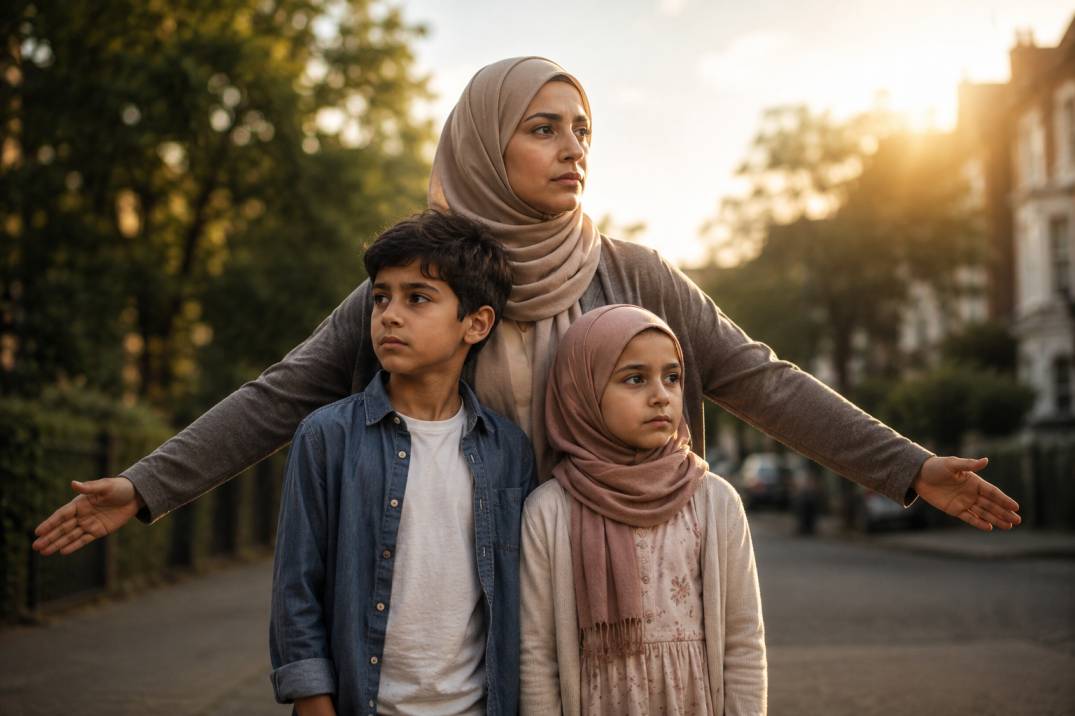
There is no perfect parenting formula. However, several principles consistently strengthen a child's connection to Islam:
- Help children know Allah before expecting perfect practice.
- Make Islam part of everyday family life — not only the mosque.
- Encourage thoughtful questions.
- Surround children with positive Muslim role models.
- Celebrate Islamic milestones with joy.
- Enroll children in consistent Islamic learning led by qualified teachers.
- Most importantly, keep your relationship strong enough that they continue turning to you during difficult seasons of life.
You're Not Meant to Do This Alone
One of the greatest mistakes parents make is believing they must carry this responsibility entirely by themselves. Children benefit from learning Islam through knowledgeable teachers who combine authentic knowledge with compassion, wisdom, and an understanding of the challenges Muslim families face in today's world.
At Sirat Academy, we believe protecting a child's Islamic identity goes beyond memorization. Our Qur'an, Arabic, and Islamic Studies programs are designed to help children understand why Islam matters, build confidence in their identity, and develop the character needed to live as practicing Muslims wherever they are in the world. When parents and teachers work together, children receive a consistent message that strengthens both knowledge and faith.
Need our support?
Give your child a teacher who nurtures faith, character, and identity — not just memorization.
Explore Islamic Studies →Final Thoughts
Children don't usually lose their Islamic identity because they encounter a single difficult question. They lose it when small compromises accumulate, meaningful conversations disappear, and faith gradually becomes disconnected from everyday life.
The encouraging news is that identity can also be built one small step at a time. Every sincere du'a. Every family prayer. Every thoughtful conversation. Every act of kindness inspired by Islam. Every lesson that helps a child know Allah a little more deeply.
These moments may seem ordinary today, but together they shape the heart of the Muslim adult your child will become tomorrow.
Frequently Asked Questions
Why do Muslim children lose their Islamic identity?
Muslim children rarely lose their Islamic identity from a single event. It usually erodes gradually through six influences: experiencing Islam as rules rather than a relationship with Allah, seeing parents act differently than they speak, the desire to belong outweighing belief, social media becoming their main teacher, difficult questions going unanswered, and faith not being reinforced outside the home.
What are the early warning signs a child is drifting from Islam?
Common early signs include becoming embarrassed to mention being Muslim, losing interest in Salah, avoiding the Qur'an, hiding Islamic practices around friends, mocking religious reminders, and treating faith as something only their parents care about. These call for compassionate conversation rather than panic.
Does being strict make children stronger in their faith?
Not on its own. Rules without relationship tend to produce temporary compliance rather than lasting conviction, and fear-driven parenting often widens the emotional distance. Faith grows most reliably when children first understand who Allah is and feel loved and supported at home.
How can parents protect a child's Islamic identity in the West?
Help children know Allah before expecting perfect practice, make Islam part of everyday family life, welcome honest questions, surround them with positive Muslim role models, celebrate Islamic milestones, and enrol them in consistent Islamic learning with qualified teachers — while keeping the parent-child relationship strong.
At what age should Islamic identity be nurtured?
As early as possible. Young children absorb values through what they observe daily, while adolescence brings social pressures that test their identity. Building confidence and understanding before those pressures arrive is far more effective than reacting after a child begins to drift.
How does Sirat Academy help strengthen a child's Islamic identity?
Sirat Academy's Qur'an, Arabic, and Islamic Studies programs are taught by Al-Azhar University graduates who combine authentic knowledge with compassion. Lessons focus on helping children understand why Islam matters and build confidence in their identity — reinforcing the values parents teach at home.
Give your child the gift of a confident Islamic identity
Start with 2 free trial classes — no pressure, no commitment. Just one lesson to experience the difference.
Get Your Free Trial Today →